

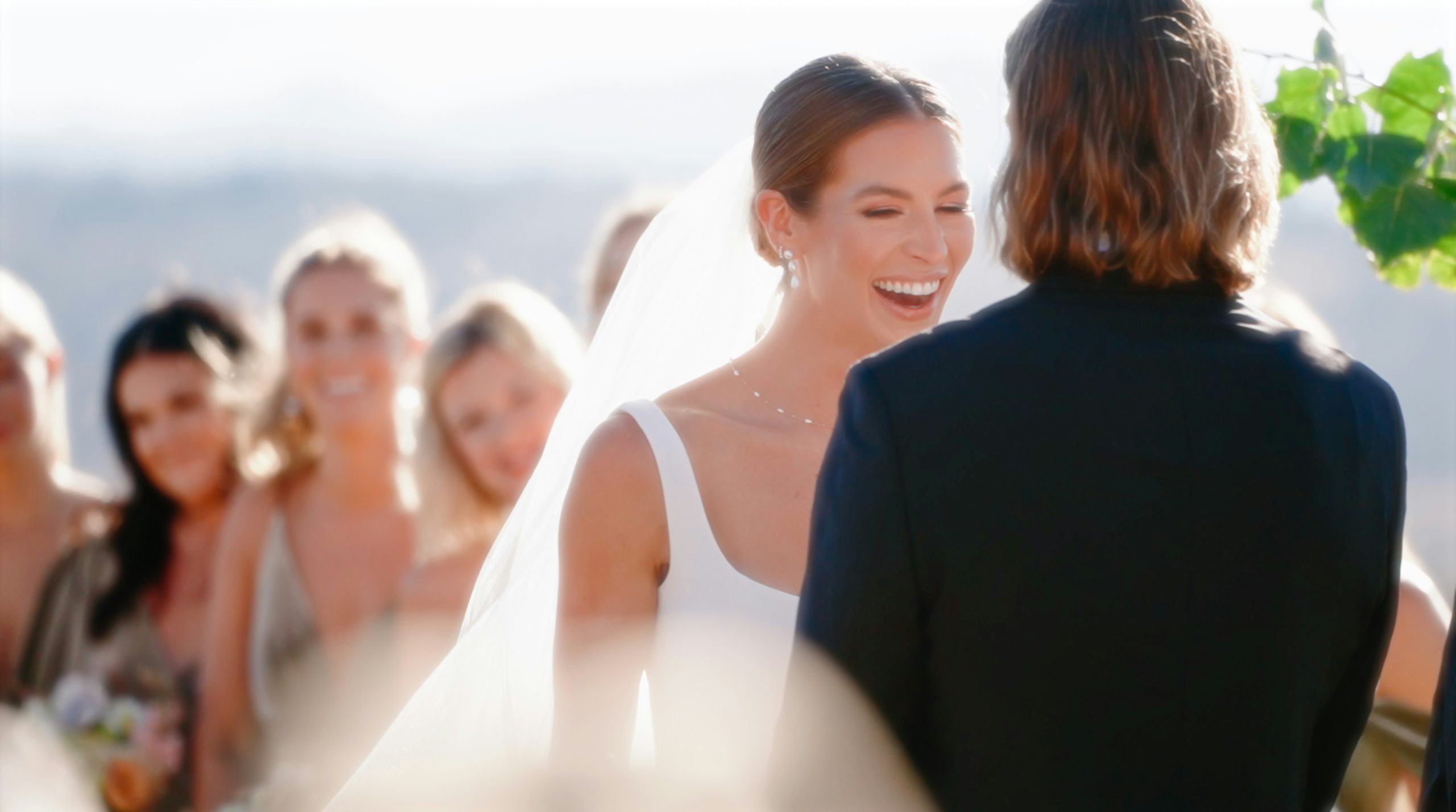
In recent years, an increasing number of celebrities and influencers have embraced lavish, highly publicised “weddings” that are not legally binding. These ceremonies, often staged for television, social media content, or brand sponsorships, can look indistinguishable from traditional marriages. Designer dresses, exotic venues, and emotional vows create the impression of a genuine union. Yet behind the spectacle, many of these couples are not legally married at all. While this trend may appear harmless or even romantic, it carries significant risks. For those who follow suit, whether inspired by celebrity culture or simply unaware of the legal implications, the consequences of “pretending” to be married can be serious, particularly if the relationship later breaks down.
The Rise of the “Non-Legal Wedding”
For celebrities, non-legally binding ceremonies often serve commercial purposes. These events can generate lucrative sponsorship deals, exclusive media coverage, and increased public visibility. In some cases, the legal formalities are deliberately avoided to maintain flexibility, protect assets, or simply to stage multiple ceremonies in different locations.
However, the line between performance and reality is not always clear, especially to the public. When high-profile figures present themselves as married without actually formalising the union, it can reinforce a widespread misconception: that cohabiting couples, particularly those who have held a “wedding,” acquire the same legal rights as married spouses. They do not.
The Myth of the “Common Law Marriage”
One of the most persistent myths in family law is the idea of a “common law marriage.” In England and Wales, this concept has no legal standing. No matter how long a couple lives together, whether they share children, property, or even a wedding ceremony, they are not treated as married in the eyes of the law unless they have complied with the legal requirements for marriage. This misunderstanding can leave individuals, often the financially weaker partner, vulnerable if the relationship ends.
What Happens If You Separate?
When a legally married couple divorces, the court has broad powers under the Matrimonial Causes Act 1973 to achieve a fair outcome. This includes the ability to redistribute assets, order maintenance payments, and consider the needs and contributions of both parties.
By contrast, unmarried couples must rely on a far more limited and fragmented legal framework. The contrast between these frameworks is significant. Married couples benefit from a holistic approach that allows the court to consider fairness, needs, and future security. Unmarried couples, by comparison, must navigate a patchwork of laws that address specific issues in isolation.
For example, a spouse who has sacrificed their career to raise children may receive spousal maintenance or a larger share of assets upon divorce. An unmarried partner in the same position may have no such entitlement, regardless of the length or nature of the relationship.
Similarly, there is no automatic right to inherit from an unmarried partner’s estate, nor is there the same level of pension protection. These gaps can have long-term financial consequences that are often overlooked at the outset of a relationship.
The Influence of Celebrity Culture
The growing popularity of non-legal weddings in celebrity culture risks normalising arrangements that lack legal protection. When public figures celebrate their “marriages” without acknowledging their legal status, it can create a false sense of security among their audiences.
For some, the appeal lies in the freedom and informality of such arrangements. For others, it may simply be a matter of cost or convenience. But whatever the motivation, the legal reality remains unchanged: without a valid marriage, the rights and remedies available upon separation are significantly reduced.
Protecting Yourself
For couples who choose not to marry, it is crucial to understand the legal implications and take proactive steps to protect their interests. This may include entering into a cohabitation agreement, clearly defining how property and finances are to be managed, and ensuring that ownership structures accurately reflect each party’s contributions.
Seeking legal advice at an early stage can also help to avoid disputes later on. While these measures cannot replicate the full range of protections available to married couples, they can provide a degree of clarity and security.
The trend of “pretending” to be legally married may make for compelling television and social media content, but it is not without risk. Behind the glamour and spectacle lies a legal reality that is far less forgiving. Marriage is not just a symbolic or emotional commitment; it is a legal status that carries significant rights and responsibilities. Choosing not to formalise that status, whether for personal or commercial reasons, means forgoing the protections that come with it.
As celebrity culture continues to blur the lines between appearance and reality, it is more important than ever for individuals to understand the legal implications. When relationships break down, it is not the photographs, the venue, or the dress that matter; it is the law.